


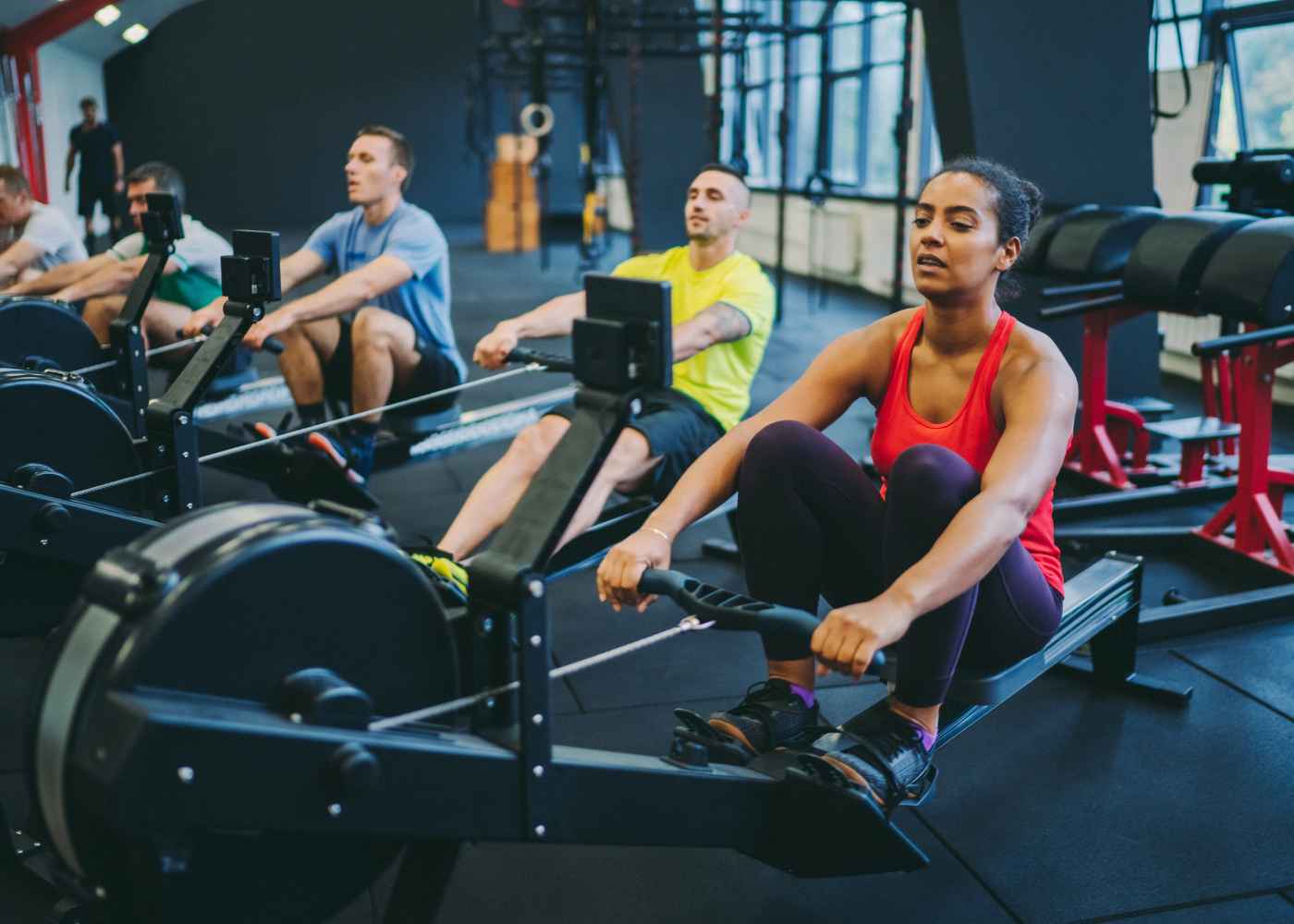
High-intensity interval training has earned its reputation as one of the most efficient approaches to fitness, delivering cardiovascular benefits and metabolic improvements in condensed workout timeframes. Yet not all exercise modalities serve HIIT protocols equally well. While many machines focus on either upper or lower body engagement, rowing stands apart by demanding coordinated effort from virtually every major muscle group in movements that scale naturally with effort intensity.
Understanding why rowing excels for interval training helps athletes and fitness enthusiasts recognize the unique advantages this often-overlooked modality offers.
Engaging the Entire Body
Unlike treadmills that primarily challenge legs or stationary bikes that isolate lower body muscles, rowing recruits multiple muscle groups simultaneously throughout each stroke. The drive phase engages legs, glutes and core as rowers push away from the footplates. The finish activates the back, shoulders and arms as the handles are pulled toward the chest. This comprehensive engagement means no muscle groups rest while others work.
The coordinated nature of rowing movement creates functional fitness benefits beyond simple calorie burning. Athletes develop synchronized power generation that transfers to other sports and daily activities. The pattern teaches muscles to work together efficiently rather than in isolation.
Full-body engagement also accelerates cardiovascular response. When multiple large muscle groups demand oxygen simultaneously, the heart and lungs must work harder to meet those demands. This elevated cardiovascular stress produces training adaptations more quickly than exercises engaging fewer muscles.
Scaling Intensity Naturally
The resistance characteristics of rowing machines make them ideally suited for interval protocols. Air and water resistance machines respond directly to effort level, working harder when users pull harder and easing when they recover. This natural scaling eliminates the need to adjust settings between high and low intensity intervals.
The harder and faster athletes pull, the more resistance they encounter. This self-regulating characteristic means that beginners and elite athletes can use the same machine simultaneously, each experiencing appropriate challenge levels based on their effort. Group training benefits tremendously from this scalability.
Recovery intervals occur organically within rowing mechanics. The return phase of each stroke provides brief rest before the next powerful drive. This built-in recovery pattern mirrors interval training principles, making rowing feel natural for alternating high-effort bursts with active recovery periods.
Protecting Joints While Challenging Muscles
High-intensity training places significant stress on the body, and some modalities concentrate that stress on vulnerable joints. Running intervals pound knees and ankles repeatedly, while jumping protocols can strain lower backs and feet. Rowing delivers intensity without this repetitive impact.
The seated position and smooth gliding motion eliminate jarring forces that make other HIIT approaches problematic for certain individuals. Athletes recovering from lower-body injuries often find rowing allows intense training while joints continue healing. Older adults appreciate the cardiovascular challenge without the joint stress.
Low-impact characteristics also support training frequency. Athletes can row intensely on consecutive days without the recovery time that running or jumping intervals might require. This increased training availability accelerates fitness improvements over time.
Selecting Quality Equipment
The rowing experience varies significantly based on equipment quality and resistance type. Air resistance machines offer the natural intensity scaling that HIIT protocols require, while water resistance models provide smooth, realistic rowing sensations. Magnetic resistance options operate quietly for home environments where noise matters.
Choosing companies like CSM Fitness USA ensures access to commercial-grade equipment designed for the demands of high-intensity training. Durable construction withstands repeated intense use while quality components deliver consistent performance that athletes can rely upon.
Equipment selection should consider resistance type preferences, available space and intended use patterns. Home users may prioritize storage features and quiet operation, while commercial facilities need machines that handle continuous use by multiple athletes daily.
Structuring Effective Workouts
Rowing accommodates countless interval structures limited only by imagination and fitness goals. Short bursts of maximum effort followed by brief recovery periods develop power and anaerobic capacity. Longer moderate intervals with short rests build endurance while still elevating metabolism.
Monitoring tools built into quality rowing machines track metrics that inform effective training. Stroke rate, distance covered and power output all provide feedback that helps athletes maintain target intensities throughout workouts. This data also enables progress tracking over time.
Warm-up rowing at moderate intensity prepares the entire body for high-intensity efforts to follow. The same movement pattern used at lower intensity primes muscles and cardiovascular systems for the demands coming without requiring separate warm-up exercises targeting different body parts.
Building Sustainable Fitness
The combination of total-body engagement, joint-friendly mechanics and natural intensity scaling makes rowing uniquely sustainable for long-term fitness development. Athletes can row intensely for years without accumulating the wear that other high-intensity modalities might cause.
This sustainability matters because fitness benefits require consistent training over extended periods. Modalities that cause injuries or burnout undermine long-term progress regardless of short-term effectiveness. Rowing supports the consistency that produces lasting results.
The efficiency of full-body interval training on rowing machines appeals to time-constrained individuals seeking maximum benefit from limited workout windows. Complete cardiovascular and muscular challenge in compact sessions fits modern schedules while delivering results that more leisurely approaches cannot match.
