


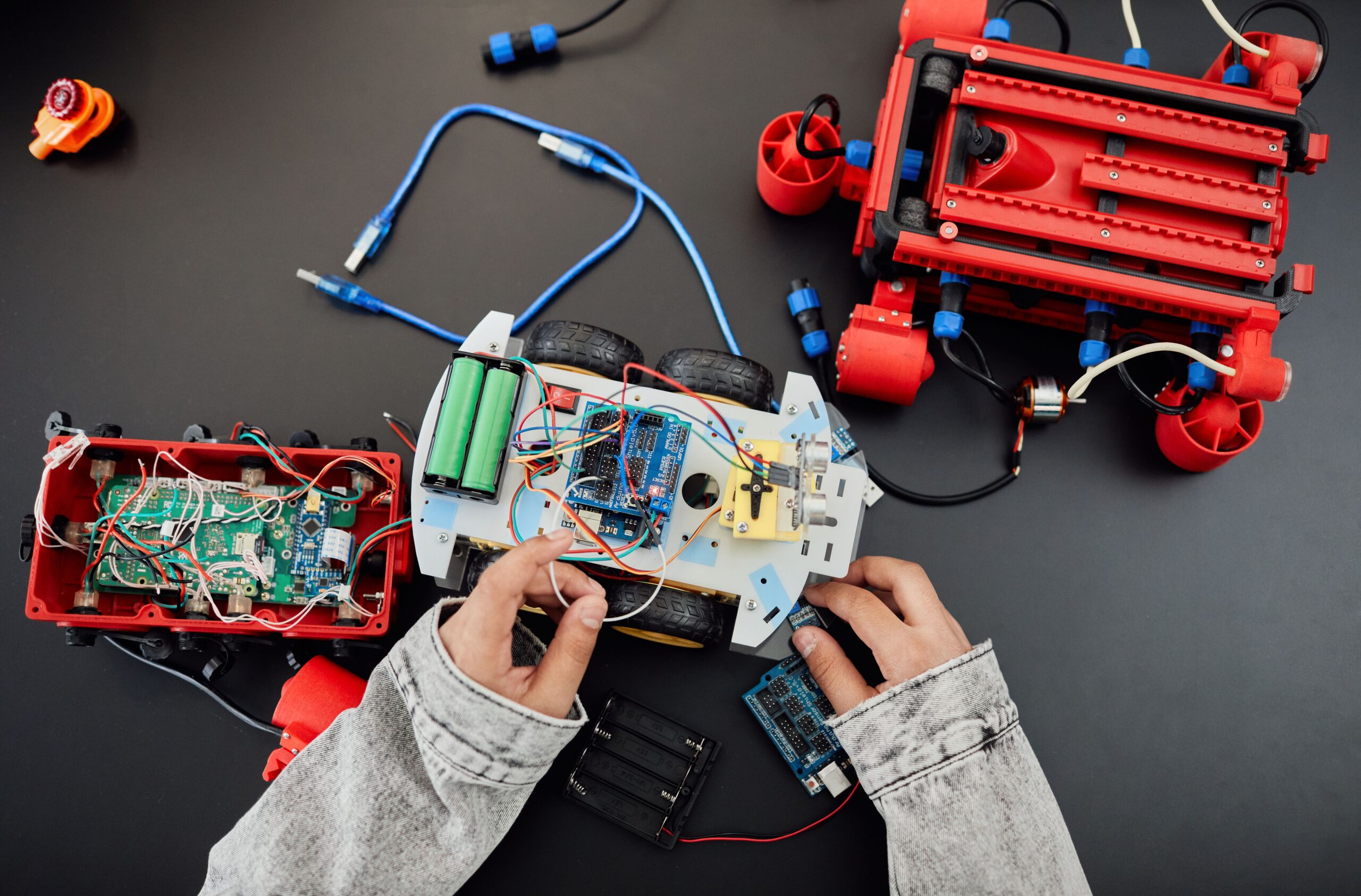
Modern high school engineering labs have traded traditional lecture halls for dynamic workspaces filled with structural channels, smart motors, and busy students. At the center of this hands-on revolution are modular building systems that let teenagers quickly sketch, assemble, and test real-world mechanical concepts.
These versatile kits offer students the freedom to fail quickly and redesign projects without wasting expensive raw materials. Their flexibility keeps students deeply engaged by bringing abstract math and science formulas to life as tangible mechanical movements.
Shifting From Theoretical Textbooks to Tangible Projects
For generations, vocational training relied heavily on memorizing complex diagrams from paper textbooks. While reading about mechanical leverage provides a basic foundation, it rarely inspires deep passion in a young student. Modular kits change this dynamic entirely by putting physical components directly into the hands of aspiring engineers, making concepts like mechanical advantage instantly clear when connecting a small gear to a larger one.
This physical feedback helps students develop strong spatial reasoning skills that are difficult to teach through a screen. They quickly learn how components interact under stress and how weight distribution affects a moving machine. If a chassis bends or tips over, students can diagnose the weakness immediately, building an intuitive understanding of structural integrity.
Promoting Collaborative Engineering and Team Problem Solving
True engineering rarely happens in isolation, as modern industry relies heavily on teamwork and communication. Technical labs using modular kits mimic this professional environment by forcing students to work in small development groups. One student might focus on the structural frame, while another designs the power transmission or routes the wiring.
This division of labor requires constant negotiation, shared compromise, and clear communication to ensure all the separate components fit together perfectly. Working through these mechanical disagreements teaches students crucial soft skills that employers look for in the modern workforce.
They learn how to pitch their design ideas constructively and accept feedback when a teammate spots a structural flaw. When a machine fails to operate during a class demonstration, the group must work together calmly to troubleshoot the issue under a deadline. These intense collaborative experiences transform a standard science lab into a lively arena for leadership development and cooperative learning.
Bridging the Gap Between Classroom Practice and Industry
High school instructors face a constant challenge keeping classroom technology aligned with current industrial standards. Many traditional school shops utilize outdated machinery that bears little resemblance to the automated systems used in modern manufacturing plants. High-quality modular hardware addresses this gap by incorporating industrial-grade materials like heavy-duty anodized aluminum and standardized metric fasteners.
Districts source these advanced building systems from specialized educational distributors to ensure their labs remain relevant. Suppliers like Studica offer comprehensive kits with electronic controllers, heavy-duty actuators, and durable structural channels. Utilizing these standardized components ensures that student projects interact seamlessly with modern sensors and programming languages. Practicing with authentic hardware ecosystems builds the confidence high schoolers need to transition smoothly into modern manufacturing careers.
Students work with the exact same structural logic and fastening techniques that professional field technicians use every single day. The concrete skills learned through these kits directly mirror real-world tasks, including:
- Assembling structural frames using precise metric alignments
- Configuring complex power transmission systems with standardized gears and belts
- Integrating digital sensor arrays to collect environmental data
- Calibrating heavy-duty actuators to manage variable mechanical loads
Maximizing Department Budgets Through Reusable Hardware
Tight budgets force technical education directors to stretch every dollar. Purchasing single-use raw materials like sheet metal quickly drains funds because they end up as scrap. Reusable modular construction systems solve this financial headache; at the end of a grading period, students simply disassemble their creations so the next class can use the exact same components.
This sustainable cycle allows schools to maximize their initial technology investments over many years of continuous classroom use. Instructors can allocate their remaining funds toward specialized sensors or advanced software licenses instead of constantly restocking basic building supplies.
Furthermore, the inherent durability of industrial aluminum means fewer broken parts and less wasted downtime during crucial lab periods. Protecting the school budget while maintaining a high-quality learning environment is a massive win for teachers and school boards alike.
Encouraging Creative Innovation Through Open Ended Design
When students are confined to rigid, single-purpose building sets, their creative thinking naturally stalls because they tend to follow instructions step-by-step without questioning the manufacturer’s design choices. Open-ended modular kits break these creative barriers by giving students a blank canvas of holes, slots, and structural brackets. This limitless freedom encourages teenagers to take bold risks, try unorthodox layouts, and invent completely unique mechanical solutions to the problems assigned by their teacher.
This freedom to experiment fosters an entrepreneurial mindset vital for the next generation of innovators. Students start viewing mistakes not as frustrating failures, but as necessary data points on the path toward a superior design. They take immense pride in watching an original concept move from a rough sketch to a fully operational machine on the lab floor. This ownership turns standard schoolwork into a rewarding journey of creative triumph.
Conclusion
The integration of modular construction systems is fundamentally reshaping how technical high schools prepare students for engineering careers. By replacing dry textbook lectures with active, hands-on design labs, these tools make complex mechanical concepts accessible and exciting. Students gain vital experience in teamwork, structural analysis, and industrial standards while utilizing durable hardware that respects tight school budgets.
The ultimate benefit of these kits is the confidence they instill as students transform raw ideas into functional machines. As classrooms evolve, these adaptable building ecosystems remain essential for sparking the curiosity of future innovators. Empowering students with the right physical tools today ensures America will have skilled, creative engineers solving the problems of tomorrow.
