


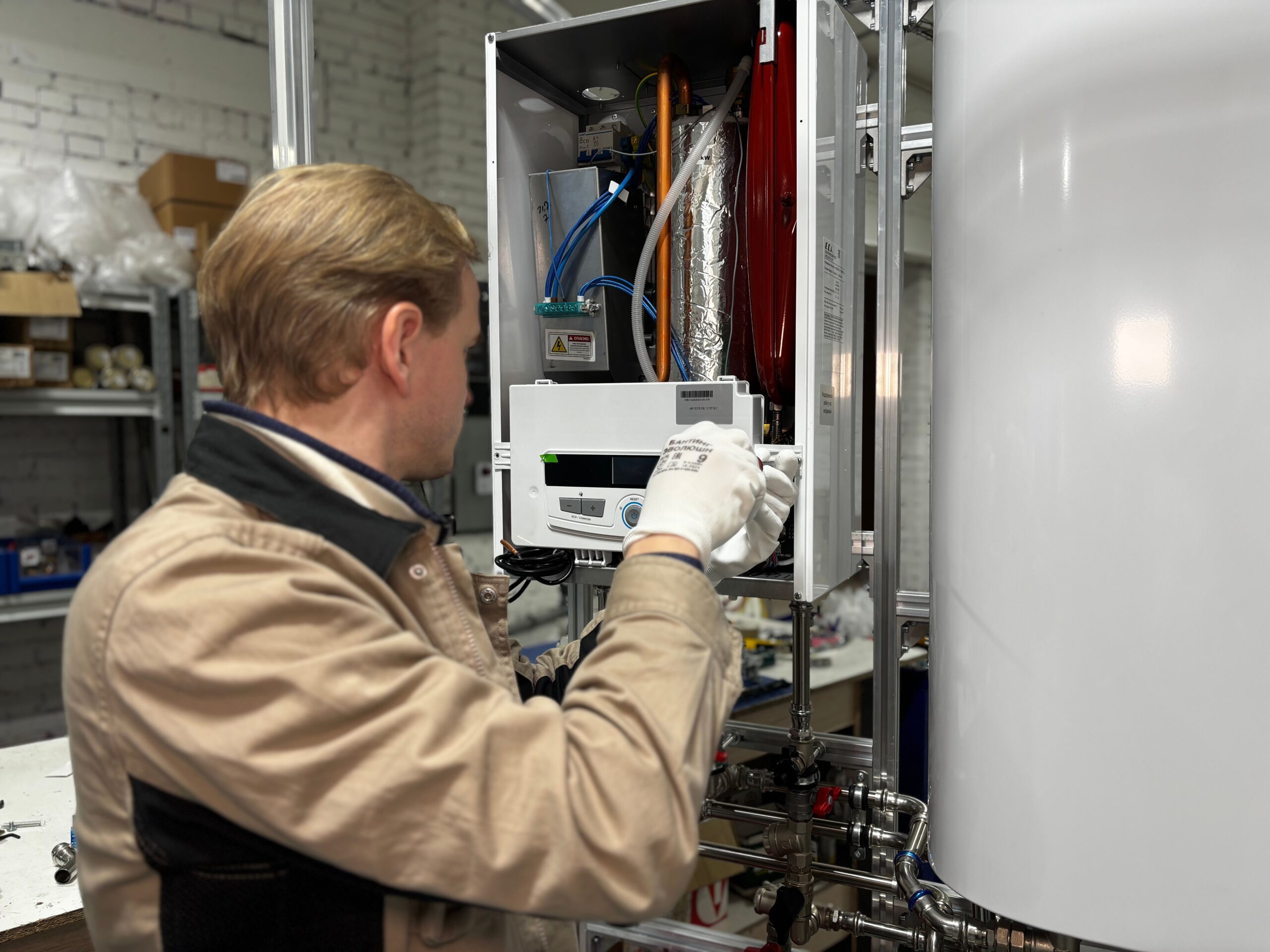
Hot water is one of those things you barely think about until it suddenly stops working. Your water heater quietly does its job every day, but like any home system, it needs attention to stay reliable. Knowing when to check it and when to schedule repairs can help you avoid unexpected breakdowns, higher energy bills, and costly replacements.
This guide breaks down how often you should inspect your water heater, the signs it needs repair, and why routine attention matters more than most homeowners realize.
Understanding the Lifespan of a Water Heater
A typical water heater doesn’t last forever. Most units serve well for about eight to twelve years, depending on usage, water quality, and maintenance habits. But lifespan alone doesn’t tell the full story. A water heater can still “function” while quietly losing efficiency or developing internal issues.
Over time, sediment builds up inside the tank, heating elements wear down, and internal components start to corrode. These changes don’t usually happen all at once. Instead, they build slowly, which is why regular checks are so important. Without them, small issues can grow into sudden failures.
How Often You Should Inspect Your Water Heater
At a minimum, your water heater should be checked once a year. This yearly inspection is often enough to catch early warning signs like sediment buildup, minor leaks, or temperature inconsistencies. However, in homes with hard water or heavy daily usage, checking it twice a year is a smarter approach.
Beyond professional inspections, it helps to give your system a quick visual check every few months. You don’t need to open anything complicated. Just looking for moisture around the base, listening for unusual sounds, or noticing changes in water temperature can reveal early trouble.
Consistency matters more than intensity. Small, regular attention helps prevent sudden breakdowns that tend to happen at the worst possible times.
Signs That Repair Should Not Be Delayed
Even if you’re not due for a scheduled inspection, your water heater often gives warning signals that water heater repair may be needed. One of the most common signs is inconsistent water temperature. If your hot water suddenly turns lukewarm or fluctuates during use, it may indicate a failing heating element or thermostat issue.
Strange noises are another clue. Popping, rumbling, or banging sounds often come from sediment hardening at the bottom of the tank. As the heater warms water, trapped air bubbles push through the buildup, creating noise. While it may seem harmless at first, it reduces efficiency and can eventually lead to the need for professional repair.
Discolored water is another red flag. If rust-tinted or murky water comes from your hot taps, corrosion inside the tank or pipes may already be underway. This is not something to ignore, as it often signals deeper deterioration.
Leaks, even small ones, should always be taken seriously. Moisture around the base or dripping connections can quickly lead to water damage and system failure if left unchecked.
How Seasonal Changes Affect Performance
Water heaters often feel the strain during colder months. As incoming water temperature drops, the system must work harder to produce hot water. This increased demand can expose hidden issues that were not noticeable during warmer seasons.
Because of this, many homeowners benefit from checking their system before winter begins. A pre-season inspection helps ensure the heater is ready for heavier use. It also reduces the chance of running out of hot water during peak demand periods when repair services are usually busiest.
Even in warmer climates, seasonal shifts can still affect water usage habits, which in turn influences how your heater performs. Paying attention to these changes helps you stay ahead of potential issues.
Why Regular Maintenance Matters More Than Emergency Repair
Waiting until something breaks is usually the most expensive way to manage a water heater. Emergency repairs often come with added costs, not just for parts and labor, but also for water damage cleanup if a leak goes unnoticed.
Routine maintenance, on the other hand, helps extend the life of the unit and keeps energy use efficient. A clean, well-maintained heater doesn’t have to work as hard to produce hot water, which can reduce monthly utility costs over time.
Maintenance also gives technicians the chance to spot early signs of wear that homeowners might miss. Catching a failing valve or heating element early is far less disruptive than dealing with a complete system shutdown.
When Repair Turns Into Replacement
There comes a point when repairing a water heater is no longer practical. If your unit is nearing the end of its expected lifespan and requires frequent fixes, replacement may be the better long-term option.
Another clear sign is declining efficiency. If your energy bills are rising without a change in usage, your water heater may be losing performance even if it still runs. Inconsistent heating combined with repeated repair needs often signals that the system is nearing its limit.
While replacement is a bigger upfront cost, it can offer better reliability, improved efficiency, and fewer interruptions in daily life.
Keeping Your Water Heater Reliable Year-Round
A dependable water heater doesn’t require constant attention, but it does need consistent care. Simple yearly inspections, awareness of early warning signs, and timely repairs go a long way in preventing unexpected issues.
By treating your water heater as a system that needs regular checkups rather than something to forget until it breaks, you can extend its lifespan and maintain steady performance throughout the year.
