


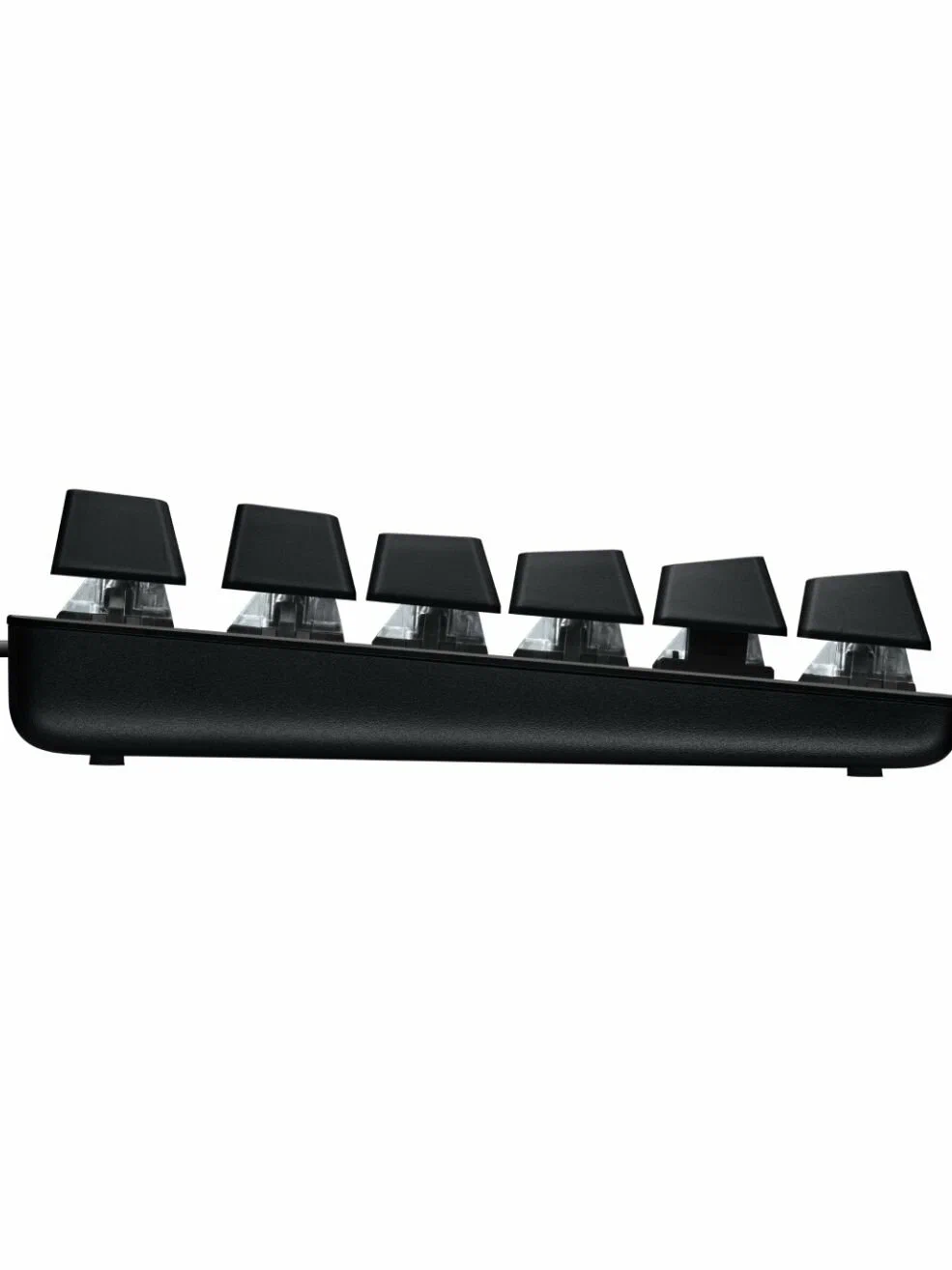
When it comes to choosing a tenkeyless (TKL) keyboard, the debate often boils down to Mechanical vs Membrane tkl keyboard: A Comparison. Both types offer distinct advantages and cater to different typing preferences, gaming styles, and budgets. This guide will help you understand the key differences so you can make an informed choice.
What is a TKL Keyboard?
A TKL (tenkeyless) keyboard is a compact keyboard that removes the numeric keypad, making it smaller and more portable. This design is popular among gamers and professionals who want more desk space and ergonomic flexibility while maintaining a standard key layout.
Mechanical TKL Keyboards
Mechanical keyboards use individual mechanical switches under each key. These switches provide tactile feedback and audible clicks, depending on the switch type.
Advantages of Mechanical TKL Keyboards
- Durability – Mechanical switches can last for tens of millions of keystrokes.
- Customization – Many mechanical keyboards allow for switch replacement and keycap customization.
- Typing Experience – Mechanical switches provide satisfying tactile and audible feedback, which can enhance typing speed and accuracy.
- Gaming Performance – Mechanical switches respond faster and more consistently, making them ideal for competitive gaming.
Drawbacks
- Price – Mechanical TKL keyboards are generally more expensive than membrane ones.
- Noise – Some mechanical switches can be loud, which might be disruptive in shared spaces.
Membrane TKL Keyboards
Membrane keyboards use a rubber dome or membrane beneath the keys. Pressing a key completes a circuit, registering a keystroke.
Advantages of Membrane TKL Keyboards
- Affordability – Membrane keyboards are usually cheaper than mechanical options.
- Quiet Operation – They produce less noise compared to mechanical keyboards.
- Lightweight Design – Membrane keyboards tend to be thinner and lighter, making them portable.
Drawbacks
- Shorter Lifespan – Membrane switches wear out faster.
- Less Tactile Feedback – Many users find typing less satisfying and less responsive.
- Slower Response – Not ideal for fast-paced gaming.
Mechanical vs Membrane TKL Keyboards: Key Differences
Here’s a quick comparison to summarize the main differences:
| Feature | Mechanical TKL | Membrane TKL |
| Lifespan | 50M+ keystrokes | 5–10M keystrokes |
| Typing Feedback | Tactile/Audible | Soft/Quiet |
| Price | Higher | Lower |
| Gaming Performance | Excellent | Average |
| Noise Level | Loud (depends on switch) | Quiet |
Which One Should You Choose?
If you prioritize durability, customization, and a premium typing or gaming experience, a mechanical TKL keyboard is worth the investment. However, if budget, quiet operation, and portability are your main concerns, a membrane TKL keyboard is a practical choice.
Understanding the differences between the two can help you make a choice tailored to your needs, whether for work, gaming, or general typing. Ultimately, Mechanical vs Membrane TKL Keyboards: A Comparison comes down to personal preference, budget, and intended use.
